
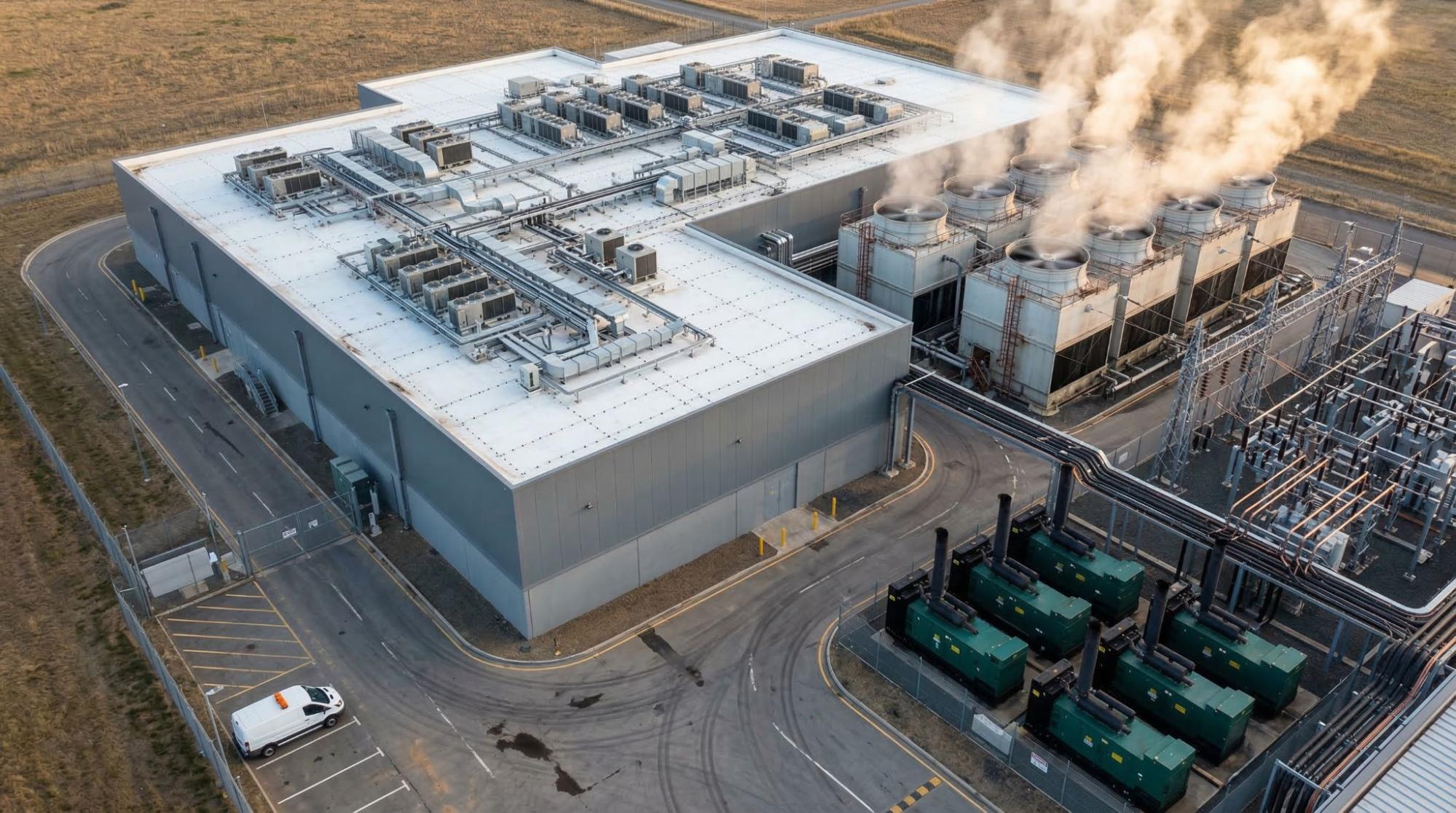
The growth of artificial intelligence has moved well beyond the tech sector. It's now one of the biggest forces reshaping global energy markets. AI data centers don't just need electricity. They need enormous, reliable, uninterrupted power, and that demand is reshaping investment decisions, supply strategies, and workforce needs across the entire energy landscape in ways that weren't on anyone's radar just a few years ago.
The numbers coming out of the data center industry aren't modest. According to Berkeley Labs, electricity demand from AI data centers could grow by 74 to 132 gigawatts by 2029, potentially accounting for up to 12 percent of total U.S. electricity consumption. The capacity added in 2025 alone is comparable to the peak daily demand of New York City. This isn't a trend building slowly in the background. It's a structural shift already demanding a response from fuel producers, utilities, and pipeline operators across North America and beyond.
The industry had been adding roughly 500 megawatts of new data center capacity annually for most of the past decade. That rate tripled in 2022 and has continued to accelerate. Each new facility that comes online locks in long-term fuel demand that the energy sector needs to plan for now, not later.
Ask any utility planner what fuel is powering this boom, and you'll hear the same answer: natural gas. It's dispatchable, meaning it can be switched on and off quickly. It ramps up within minutes, runs at capacity factors above 80 percent, and the U.S. is the world's largest net producer of dry natural gas, backed by a pipeline network spanning more than three million miles.
Nearly 75 percent of the power equipment planned for on-site data center use runs on natural gas, according to recent market intelligence. Despite public commitments to renewables, the permits and equipment deals being filed right now tell a different story. The reality of ai data centers fueling quicker power demand growth is pushing companies like ExxonMobil and Chevron to develop dedicated off-grid natural gas plants specifically for this market. Brookfield Asset Management has committed up to five billion dollars to deploy Bloom Energy's gas fuel cell technology across AI data centers globally.
Power Generation Recruiting Agency
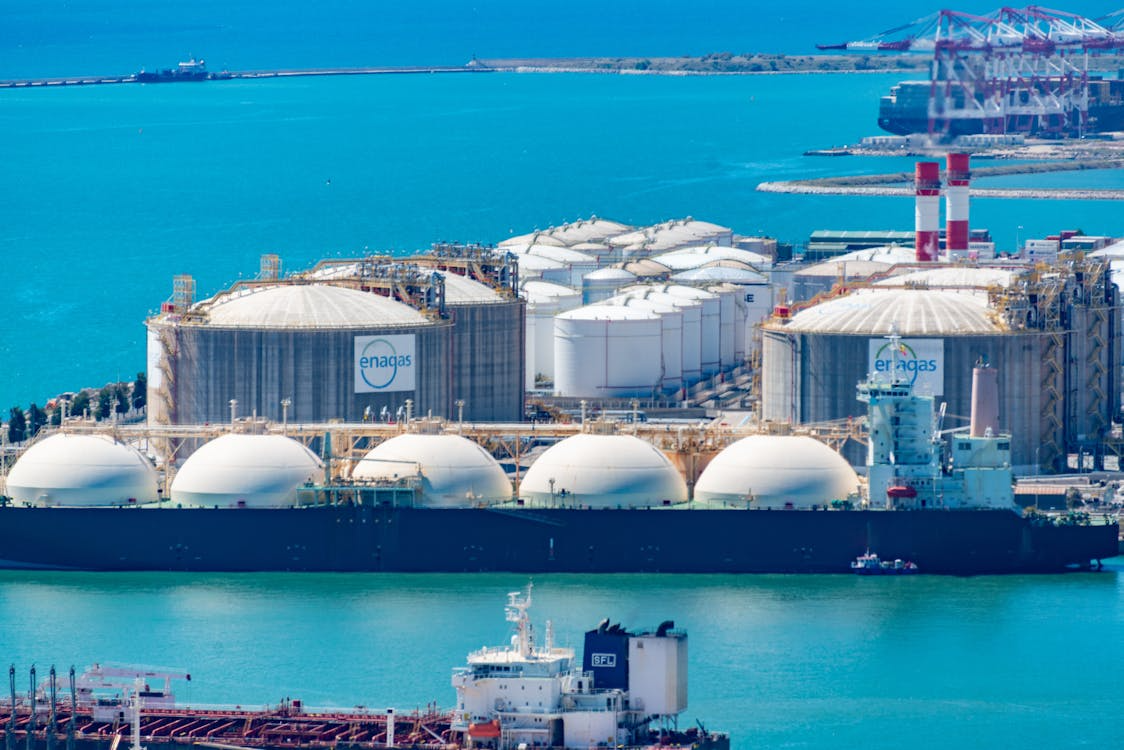
The ripple effects of AI's energy appetite extend beyond domestic power. Reporting on ai-driven lng demand growth suggests the AI power surge could flip what looked like a coming supply glut into an actual shortage by 2030, a significant reversal already changing how producers and traders think about long-term positioning.
U.S. LNG export capacity is expanding fast, but it's competing directly with data center developers for the same natural gas supply. ADI Analytics forecasts global LNG supply will rise about 7 percent in 2026, with the U.S. and Qatar providing roughly two-thirds of new volume through 2030. Deloitte estimates that data center load alone could add as much as 12 billion cubic feet per day of additional gas demand by 2030.
Europe is adding pressure too. The EU is pushing to end Russian LNG purchases by the end of 2026, keeping Atlantic cargo demand elevated. Asia, led by India and Southeast Asia, is ramping up imports. The U.S. natural gas industry sits at the center of all of it, being pulled toward export commitments and domestic AI demand at the same time.
None of this infrastructure builds itself. The energy sector is facing a real talent crunch at exactly the moment it needs to grow fast. Pipelines need to be permitted and built. Power plants need to come online. Gas contracts need to be negotiated and closed at scale. The people doing that work aren't entry-level candidates. They're experienced sales professionals, business development managers, and territory reps who can operate in a high-stakes, relationship-driven environment.
The role of headhunters in building all-star oil gas teams has never been more relevant. As AI accelerates demand for energy infrastructure, the companies that secure top sales talent will close bigger deals and build stronger market positions faster. The story of ai explosive energy demand strengthening natural gas isn't just about fuel. It's also about who's selling the contracts, the equipment, and the infrastructure behind it.
Companies partnering with an energy and oil recruiting agency are better positioned to find the professionals who actually drive revenue. These aren't passive job seekers. They're high achievers who are already succeeding and need a genuinely better opportunity to move.
Related: Energy Oil Recruiting Agency
If your company is scaling to meet AI-driven energy demand, connect with Paragram Partners about your open sales roles before your competitors fill them first.

The energy sector is entering a stretch where the decisions made in the next two to three years will define market positions for a long time. Infrastructure takes years to permit and build. Companies that are moving now, hiring now, and locking in customer relationships now will have a real advantage over those still waiting for the market to settle.
A power generation recruiting agency that specializes in this space knows the difference between a strong resume and someone who has actually built territory from scratch, managed complex accounts, and closed high-value deals. That distinction matters more now than it has in years.
The AI data center boom isn't slowing down. The fuel demand it generates isn't going away. The only real question is which companies will be positioned to capture the opportunity, and which ones will spend the next few years trying to catch up.
See why energy companies trust Paragram Partners to build their top sales teams and find out how they can help you build yours.




.svg)